Sensory Testing Best Practices
Good sensory research starts with sound methodology
The quality of your sensory data depends on the quality of your test design. From experimental design fundamentals that eliminate bias to panel calibration methods that ensure consistency, these best practices help you get more reliable results in less time. Learn how leading sensory professionals design tests, establish standards, and optimize their workflows.

Design Good Tests
Experimental Design Fundamentals
The most common source of bias in sensory testing is sample order. When the experimental design isn't properly balanced, results can be skewed by position effects, fatigue, or carryover, rather than actual product differences. Understanding how to structure your test design is essential for obtaining trustworthy data. These fundamentals apply whether you’re running discrimination, descriptive, or consumer studies.
See Best Practice
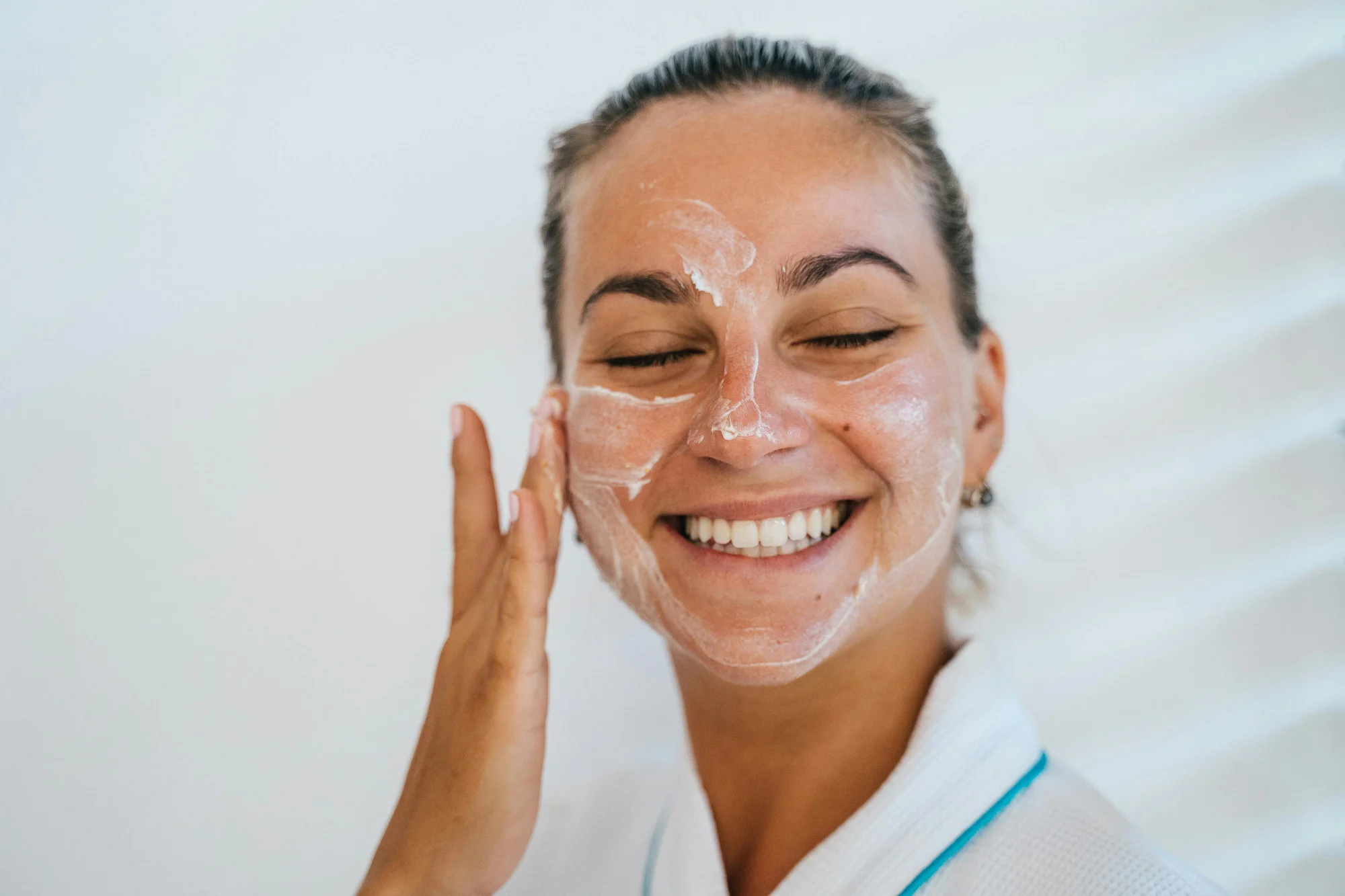
Establish a Brand Standard
Define and Maintain Your Sensory Specification to a Consistent Standard
When loyal consumers experience your product, they expect consistency. Iconic brands maintain that consistency through sensory specifications: objective profiles that define what the product should be. Descriptive analysis panels, trained and calibrated to these standards, provide the foundation for quality assurance, supplier management, and product development. Learn how to build and maintain panels that keep your brand on target.
See Best Practice

Be More Efficient
Reduce Testing Time and Cost Without Sacrificing Quality
Consumer testing provides confidence in your product, but traditional recruitment methods are time-intensive and expensive. Screening 100 qualified panelists using manual methods can take 60+ hours. With the right tools and workflows, that same recruitment can be completed in under two hours – a 97% reduction in labor. Discover how to optimize recruitment, scheduling, and panel management to accelerate your research timeline.
See Best Practice